Quick answer
Salt Lake City water is often in the hard to very hard range. A water softener is not mandatory, but for many homeowners it can help reduce scale buildup, appliance wear, plumbing issues, and ongoing cleaning effort.
Hard water is a common issue in Salt Lake City, and for many homeowners, it is more than just a minor inconvenience. Minerals like calcium and magnesium are naturally present in the local water supply, and over time, they can affect plumbing systems, appliances, and daily household use.
While hard water is not harmful to drink, it can create long-term maintenance costs and reduce efficiency across your home. The key question for most homeowners is whether installing a water softener is actually worth it.
Here’s what to know about hard water in Salt Lake City and when a water softener makes sense.
What is hard water?
Hard water contains elevated levels of dissolved minerals, primarily calcium and magnesium. These minerals are picked up as water moves through soil and rock formations before reaching municipal systems.
Water hardness is typically measured in grains per gallon (GPG):
- 0–3.5 GPG: Soft
- 3.5–7 GPG: Moderately hard
- 7–10.5 GPG: Hard
- 10.5+ GPG: Very hard
In many parts of Salt Lake City, water hardness falls into the hard to very hard range, which is why mineral buildup is such a common household issue.
Signs you have hard water in your home
Hard water problems often show up gradually.
Common signs include:
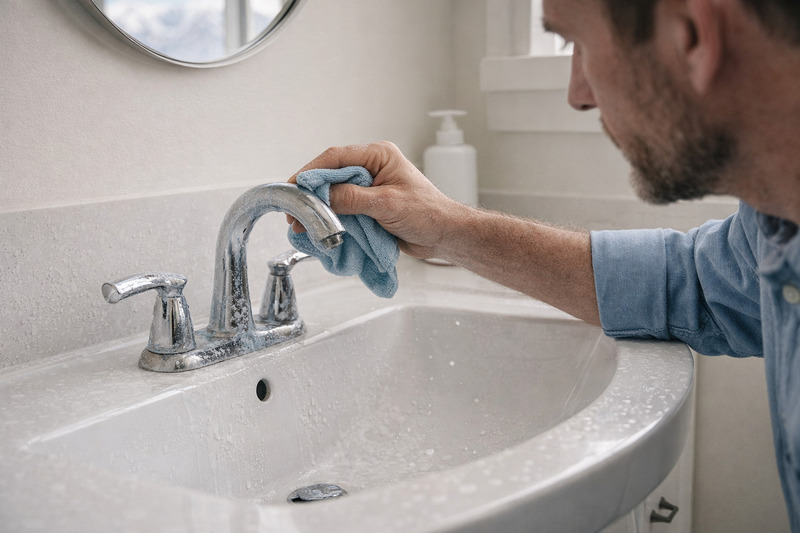
- white, chalky residue on faucets and showerheads
- soap that does not lather easily
- spots on dishes and glassware
- dry skin and dull hair after showering
- reduced water pressure due to mineral buildup in pipes
Over time, these issues can lead to more serious problems like clogged pipes and reduced appliance lifespan.
How hard water affects your home
In Salt Lake City, the impact of hard water is often most noticeable in plumbing systems and appliances.
Scale buildup in pipes
Minerals accumulate inside pipes, gradually restricting water flow and increasing pressure on the system.
Reduced appliance efficiency
Water heaters, dishwashers, and washing machines must work harder when scale builds up, which increases energy use.
Shorter appliance lifespan
Mineral deposits can damage internal components, leading to more frequent repairs or early replacement.
Higher cleaning costs
Hard water makes cleaning less effective, often requiring more soap, detergents, and cleaning products.
Do you need a water softener in Salt Lake City?
Not every home requires a water softener, but in many cases, it is a practical investment.
You are more likely to benefit from a water softener if:
- you notice consistent mineral buildup or residue
- your home has older plumbing
- you want to extend the lifespan of appliances
- you are experiencing dry skin or hair issues
- your water heater efficiency has decreased
For homes in areas with consistently hard water levels, a softener can reduce long-term maintenance costs and improve overall water quality for daily use.
For homeowners who decide a system makes sense, working with a local water treatment specialist or plumber experienced with water softener installation can help ensure the right system size and setup for the home. In Salt Lake City, companies like Kinetico Quality Water Systems of Salt Lake City may help with residential water softener installation and related water treatment services.
Typical water softener costs
Water softener pricing varies based on system type and home size.
- System cost$450 to $2,500
- Installation$300 to $1,000
- Maintenance (salt, upkeep)$100 to $300 per year
Higher-end systems or larger homes may exceed these ranges, but most residential installations fall within this bracket.
Pros and cons of installing a water softener
Benefits
- reduces scale buildup in pipes and fixtures
- improves efficiency of water heaters and appliances
- softer skin and cleaner-feeling water
- less soap and detergent usage
- easier cleaning with fewer water spots
Drawbacks
- upfront installation cost
- ongoing maintenance (salt refills)
- slight increase in water usage depending on system type
Alternatives to water softeners
Some homeowners consider alternatives depending on their needs.
- descaling systems (template-assisted crystallization)
- whole-house filtration systems
- point-of-use filters for specific fixtures
These options may reduce some effects of hard water but typically do not remove minerals as effectively as traditional softeners.
Why hard water is common in Salt Lake City
Mineral-rich geology
Utah’s natural rock formations contribute calcium and magnesium to groundwater sources.
Municipal water supply characteristics
Local water systems often draw from sources that naturally contain higher mineral concentrations.
Climate conditions
Lower rainfall compared to other regions means fewer opportunities for natural dilution of mineral content.
How to test your water
Before installing a system, it’s a good idea to confirm your water hardness.
Options include:
- DIY water hardness test kits ($10 to $30)
- professional water testing
- reviewing local municipal water reports
Knowing your exact hardness level helps determine whether a softener is necessary and what size system you need.
The bottom line
Hard water is a common reality in Salt Lake City, and while it is not harmful, it can lead to long-term costs through appliance wear, plumbing issues, and reduced efficiency.
For many homeowners, a water softener is not just a convenience. It is a practical way to protect plumbing systems and reduce maintenance expenses over time.
The decision ultimately depends on how noticeable the effects are in your home and whether you want to prevent future repair costs.
Frequently Asked Questions
Is Salt Lake City water hard?
Yes. Most areas have hard to very hard water due to naturally occurring minerals.
Is hard water bad for your health?
No, but it can affect plumbing, appliances, and cleaning efficiency.
How much does a water softener cost in Salt Lake City?
Most systems cost between $800 and $3,500 including installation.
How long does a water softener last?
Typically 10 to 15 years with proper maintenance.
Can I live without a water softener?
Yes, but you may experience more maintenance, cleaning effort, and appliance wear over time.